
Top 5 Warning Signs That Indicate It’s Time to Replace Your Windows

Windows are essential components of any home, providing light, ventilation, and insulation. However, over time, they can develop issues that compromise their functionality and efficiency. Recognizing the warning signs that indicate it’s time to replace your windows is crucial for maintaining a comfortable and energy-efficient home. This article will explore the top five signs of window damage, including physical damage, seal failures, declining energy efficiency, cost considerations, and maintenance tips. By understanding these indicators, homeowners can make informed decisions about window replacement and ensure their homes remain safe and efficient.
What Are the Most Common Physical Damage Signs Indicating Window Replacement?
Physical damage to windows can manifest in various ways, signaling the need for replacement. Homeowners should be vigilant for signs such as broken glass, cracks, warped frames, and difficulty in opening or closing windows. These issues not only affect comfort but can also lead to increased energy costs and further damage if not addressed promptly.
How Does Window Frame Damage and Rot Signal Replacement Needs?
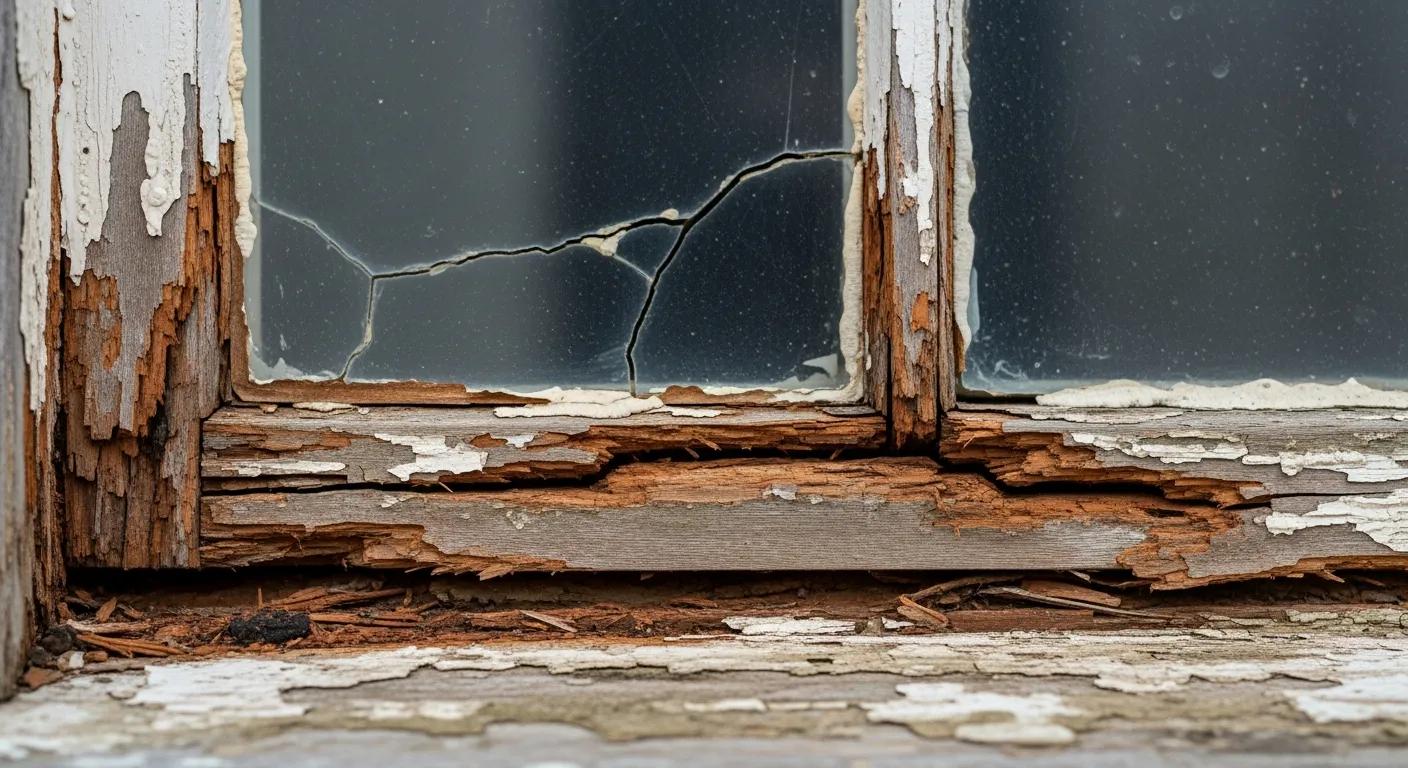
Window frame damage and rot are critical indicators that replacement is necessary. Signs of drafts and cold spots around the frame often suggest that the frame has deteriorated, compromising its structural integrity. Additionally, condensation inside the window frame or between panes can lead to mold growth and further decay, making it essential to address these issues quickly. Ignoring these signs can result in more extensive damage and costly repairs.
What Types of Glass Cracks and Breaks Require Immediate Attention?
Glass cracks and breaks are serious issues that require immediate attention. Types of cracks that compromise safety include those that extend fully across the glass or create sharp, jagged edges. Minor surface cracks might be repairable, but major cracks or shattered glass always require replacement to ensure safety and maintain the window’s insulating properties.
How Do Window Seal Failures and Condensation Issues Indicate Replacement Time?
Window seal failures can significantly impact a window’s efficiency and performance. When seals fail, moisture can enter the space between panes, leading to condensation and reduced insulation. Homeowners should be aware of these issues as they indicate that the window may no longer be functioning effectively.
What Causes Window Seal Failure and How Does It Affect Window Performance?
Common causes of window seal failure include temperature fluctuations causing expansion and contraction, poor installation, manufacturing defects, and age. When seals fail, the insulating properties of the window diminish, leading to increased energy costs and discomfort within the home. Understanding these causes can help homeowners take preventive measures and recognize when replacement is necessary.
How Does Condensation Between Panes Reveal Window Inefficiency?
Condensation between panes is a clear sign of window inefficiency. This moisture buildup indicates that the seals have failed, allowing air and moisture to penetrate. Homeowners should address this issue promptly, as it not only affects visibility but also indicates a loss of energy efficiency. Replacing the window can restore its insulating properties and improve overall comfort.
Why Is Declining Energy Efficiency a Key Warning Sign for Window Replacement?
Declining energy efficiency is a significant warning sign that windows may need replacement. Homeowners often notice increased energy bills or drafts, which can indicate that their windows are no longer performing optimally. Recognizing these signs early can help prevent further energy loss and reduce costs.
How Do Drafty Windows and High Energy Bills Signal Replacement Needs?
Drafty windows can lead to significant energy loss, resulting in higher heating and cooling costs. Homeowners should be aware of the connection between drafts and energy bills, as persistent drafts often indicate that the window seals are compromised or that the window structure is deteriorating. Addressing these issues through replacement can lead to substantial savings on energy bills.
What Are the Benefits of Energy Efficient Window Replacement in Tempe, AZ?

In Tempe, AZ, energy-efficient window replacement offers numerous benefits, including improved comfort and reduced energy costs. Upgrading to energy-efficient windows can enhance insulation, leading to a more stable indoor temperature and lower utility bills. Homeowners can enjoy the long-term advantages of energy-efficient windows, making them a worthwhile investment in the local climate.
What Are the Cost Considerations and Benefits When Deciding to Replace Windows?
When considering window replacement, homeowners must evaluate the costs and benefits associated with different options. Understanding the financial implications can help in making informed decisions that align with budgetary constraints.
How Does Window Replacement Cost Compare to Repair Expenses?
Window replacement costs can vary significantly based on the type of window, materials, and installation requirements. In many cases, the cost of replacement may be more economical in the long run compared to frequent repairs, especially if the windows are old or severely damaged. Homeowners should weigh the immediate costs against potential long-term savings to determine the best course of action.
What Is the Return on Investment of Upgrading to New Windows?
Upgrading to new windows can provide a substantial return on investment. New windows not only enhance the aesthetic appeal of a home but also improve energy efficiency, leading to lower utility bills. According to industry data, homeowners can expect to recoup a significant portion of window replacement costs through increased property value and energy savings, making window replacement a financially sound decision.
How Can Maintenance Tips Extend Window Life and When Should You Consult Professionals?
Regular maintenance is essential for extending the life of windows and preventing the need for premature replacement. Homeowners should be proactive in caring for their windows to ensure they remain in good condition.
What Routine Maintenance Helps Prevent Early Window Replacement?
Routine maintenance practices, such as cleaning the frames and glass, checking and repairing seals, lubricating moving parts, and ensuring proper drainage, can help prevent early window replacement. Regular inspections can identify potential issues before they escalate, allowing homeowners to address them promptly.
When Is It Time to Schedule a Professional Window Inspection or Replacement Service?
Homeowners should schedule a professional window inspection if they notice any signs of damage, persistent drafts, condensation between panes, difficulty operating the windows, or higher-than-usual energy costs. Timely inspections can help identify issues that may not be visible to the untrained eye, ensuring that windows remain functional and efficient. Consulting professionals can provide valuable insights into the best course of action for window maintenance or replacement.